Selfies and Self-Portraits: Navigating Between Their Seemingly Overlapped Meanings
NOTE: I wrote this in 9th grade. It is cringe.
When we "take a selfie", it usually contains completely different meaning from "taking a self-portrait", although the word "selfie" ironically originated from the term "self-portrait". In first impression, a "selfie" is what we'd take to send to our friends/family, or what we see from pop culture influencers online.
Skip to Selfie-Portrait Ideas
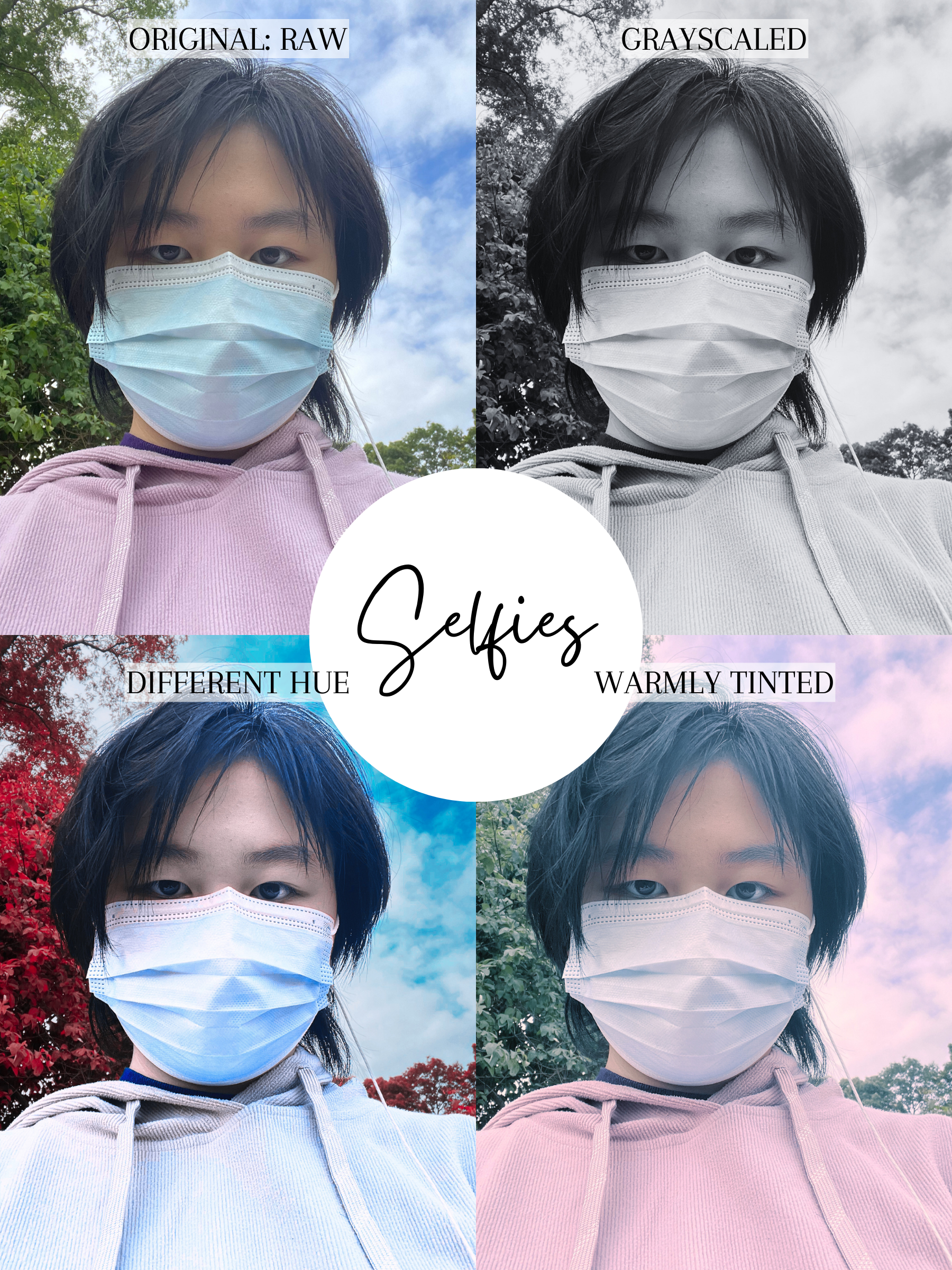
In the mindset of taking selfies, we aim to directly express a current emotion through facial expressions, hand signs, and perhaps with other people in the selfie. Through the selfie, you might want to celebrate an achievement, show off your facial features, or experiment with multiple hand signs that make you "look conventionally cool". You may also aim to "look good" in the selfies you share with others, following the typical "selfie rules": chin up, angle high, and watching your face.
However, when taking self-portraits, your object has shifted from presenting a direct face of yours, to conveying a deeper message within your inner thoughts. You may not use hand signs, but instead, allow your entire body language to embrace the stage of your camera's view.
Conveyed Professionalism
I think the biggest difference is that, anyone can take selfies at any moment, without prior preparation, hence making the majority of selfies unprofessional. The scattered focus of most selfies also contributes to it looking unprofessional- therefore, making the photo grayscale might make it more professional looking. Why? I'm no more than an amateur, but a grayscaled image may be just what you need to express a sentimental or nostalgic feeling. Generally, because grayscaled images are "composed exclusively of shades of gray", the viewer's focus will be on your subject, which is probably you (in a self-portrait). In contrast with a RGB (red green blue, or colored) image, the RGB image may drive unwanted attention to background details or small blemishes.
Selfie Expression Types:
Brief Analysis Relating to Conveyed Professionalism
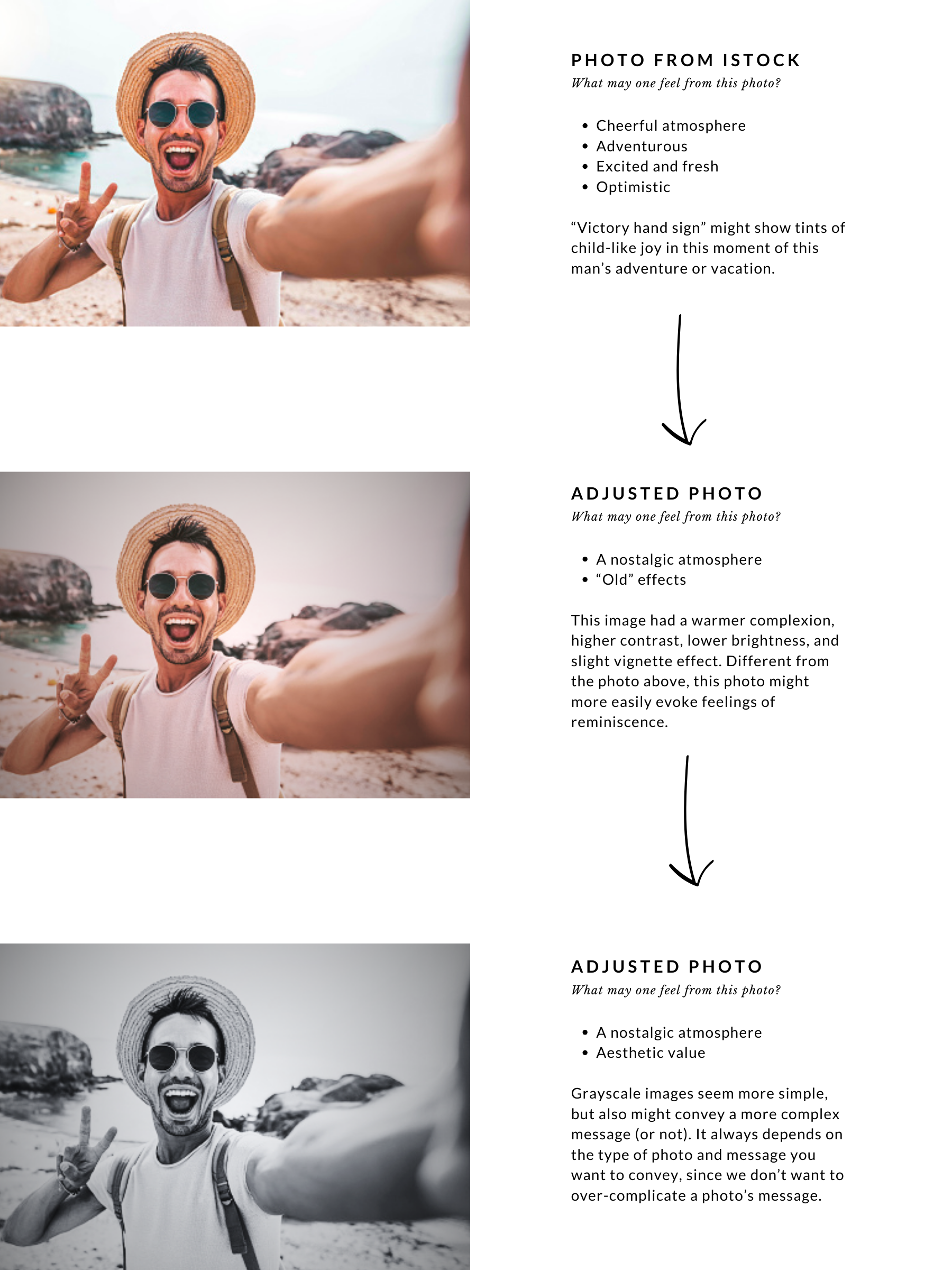
Smiling Selfies
Depending on the lighting pre or post photoshoot, a more dimmed exposure may convey streaks of nostalgic memories. These type of selfies might seem more professional.
Contemptuous Selfies
A current trend among selfies especially from teenagers is to put on a contemptuous look, espressing superiority, being indifferent and nonchalant to whatever else is going on. Those who want to express a "quirky" trait might stick out their tongues, cross their eyes, bite their lips, "agressively" bite their fingers, etc.
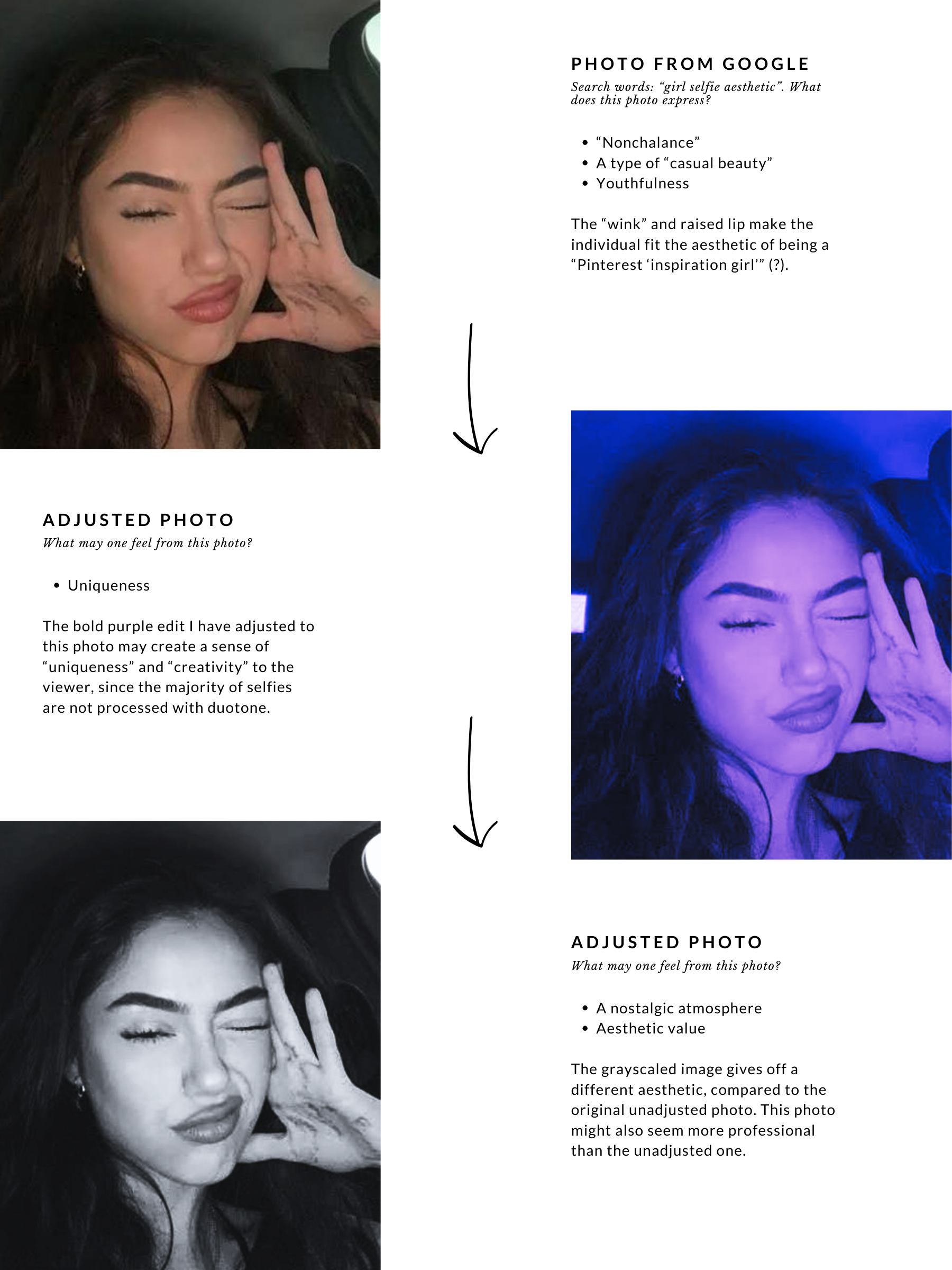
The unprofessionalism coming from these types of selfies originate from the "eye crossing", "agressive finger bite", and sometimes middle finger.
Easy Ideas for You
Does your built-in phone camera app distort your facial features? Don't worry- No one really notices the difference. However, I suggest downloading a "camera pro" app like Camera+ to preserve your unique features. Feel free to use a beauty camera/filter. I'd actually recommend you to use a beauty camera/filter at first: for me, seeing my face on the phone camera made me cringe, and I thought my face position was the problem. But no, it's just I don't like seeing my face on camera. Also, make sure you can actually zoom in to different scales (such that it may indicate something like 1x, 1.5x, 2x, etc.) when taking a selfie. Position your phone away from your face and zoom in.
To make a selfie-like self portrait, you may try the following:
→ Position your hand up against your jaw, and "feel" your cheek or shoulder. Slightly tilt your head and look away from camera for an expression of "elegance/confidence". Keep in mind, you may unintentionally express different emotions depending on your hairstyle, fashion, makeup, etc. For this type of photo, it is optimal if your neck and shoulders are in-frame.
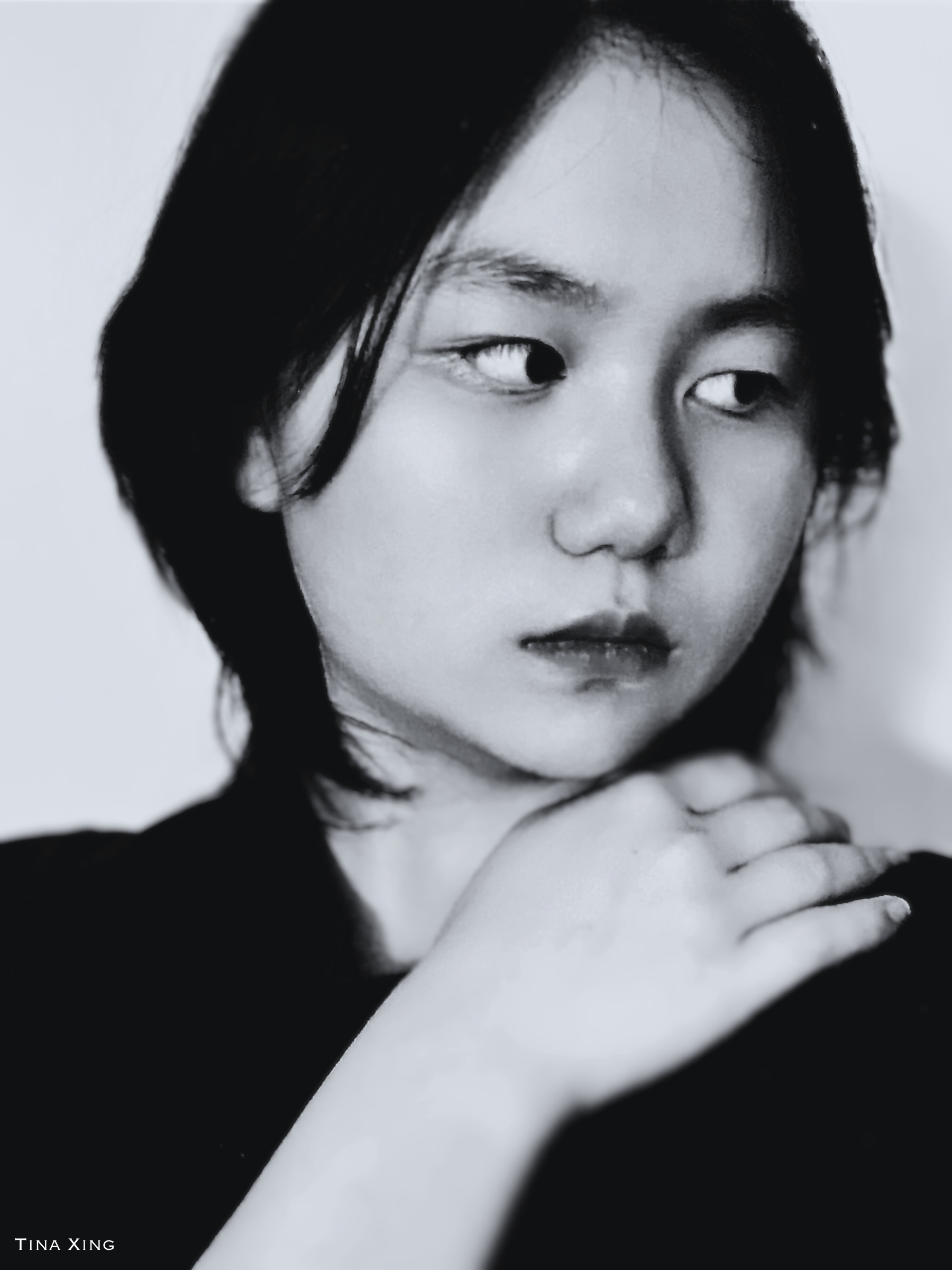
(Above photo taken with iPhone App Camera+, edited with built-in adjustments and "Noir" filter. No make up (I don't know how anyways) and a make up filter was used (you can find a lot on the app store). I increased noise reduction to reduce a "grainy" texture the photo exhibited, since the photo was taken when zoomed.)
→ Stare straight into the camera with your chin slightly up and head centered in-frame. Greyscaling the photo might be a good idea if you want to make skin blemishes less noticeable. For this particular pose, you might want to make your features, especially eyes, more prominent (beauty app or make up), since the main focus is going to be your lips and up.
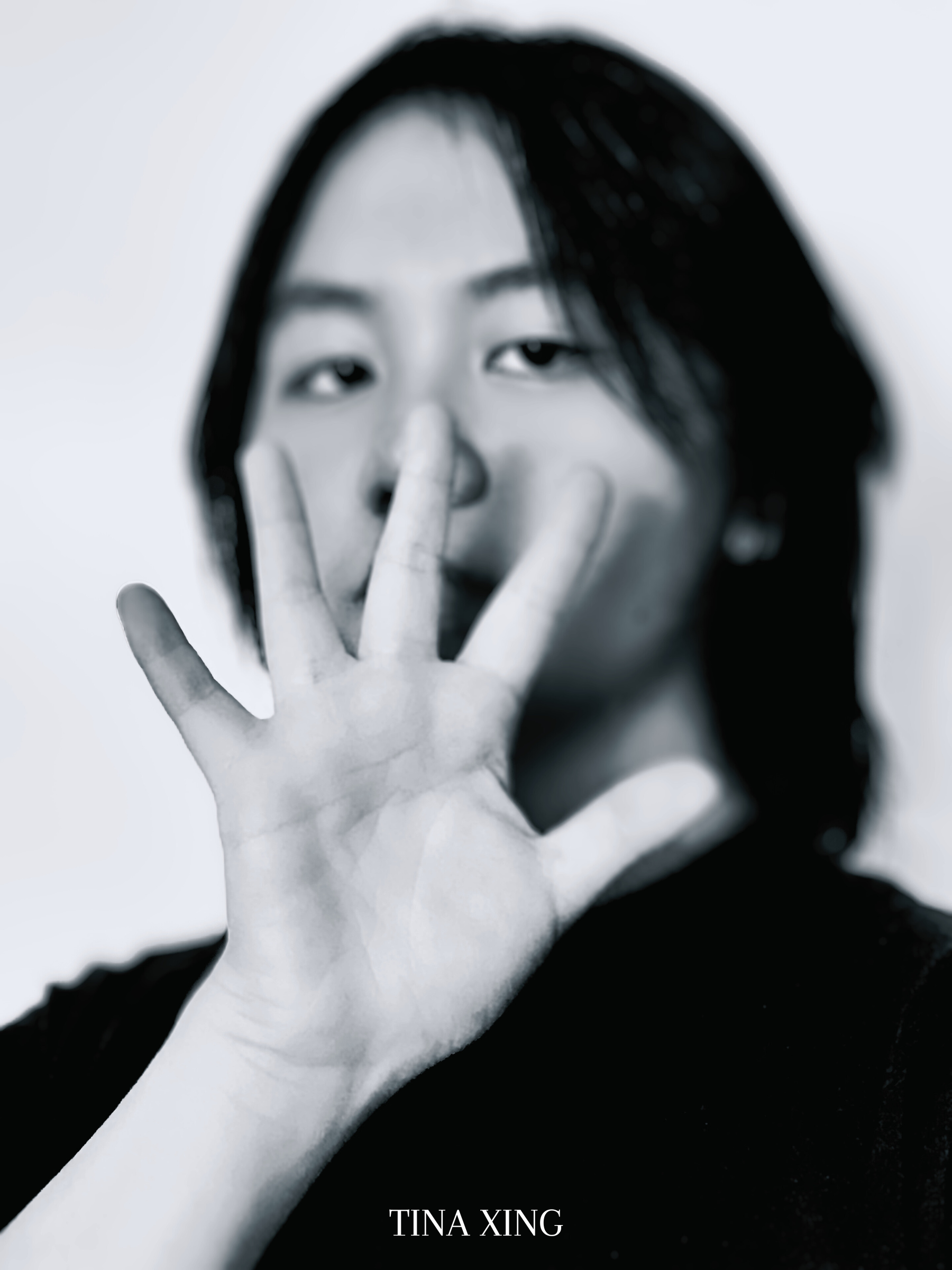
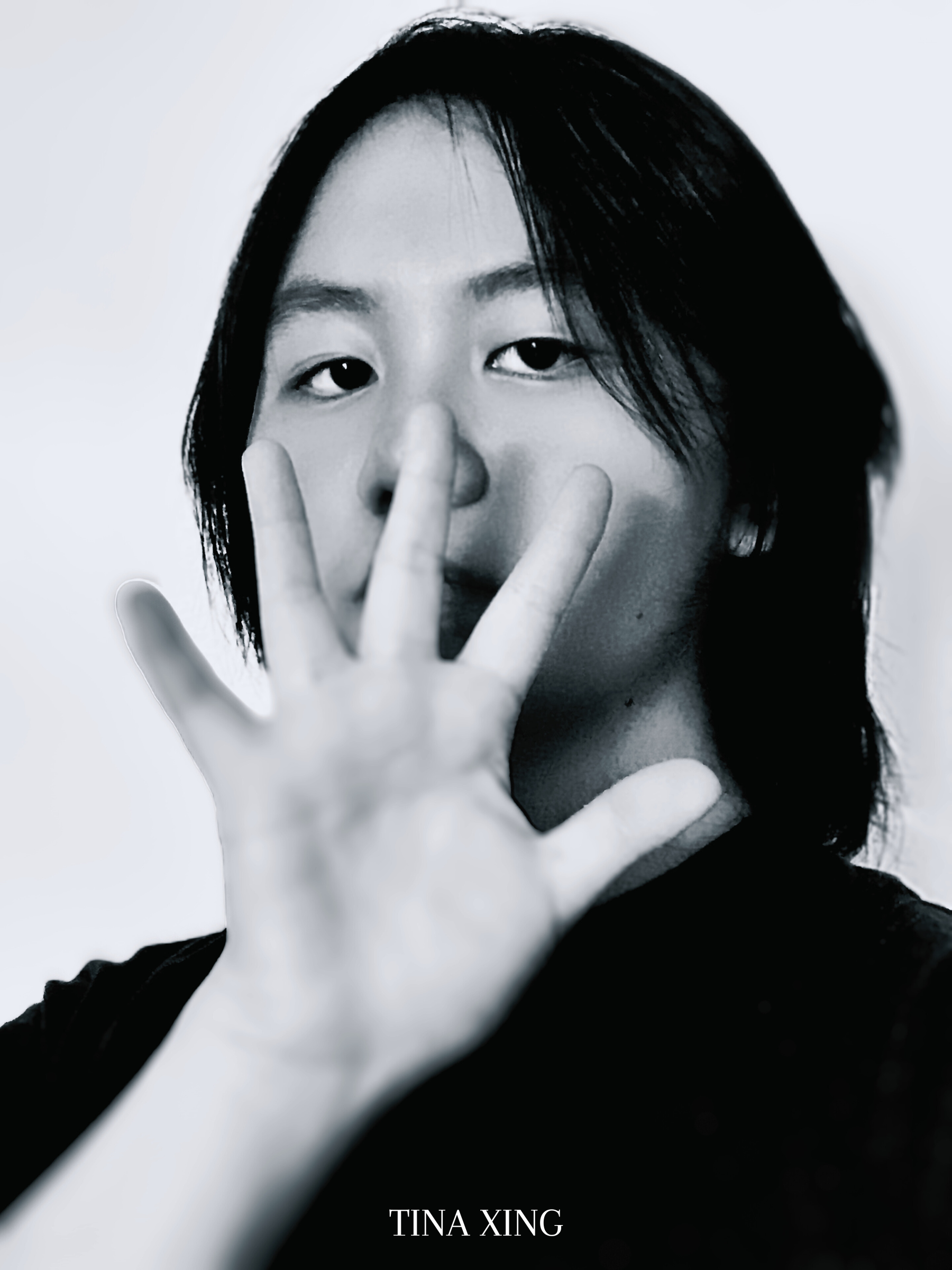
→ You can also put your palm against the camera, to cover part of your face. This might create a sense of mystery on your face.
→ Experiment with what you choose to blur. As seen in the two photos below, the different in focus (one on hand, other on face) can create a slight difference in how a viewer perceives the photo.
Conclusion
Selfies and self portraits each convey different messages, so don't compare one's strength with the other's flaw! Most importantly, it's up to you what you want your self portrait to express. Happy photo-taking!